
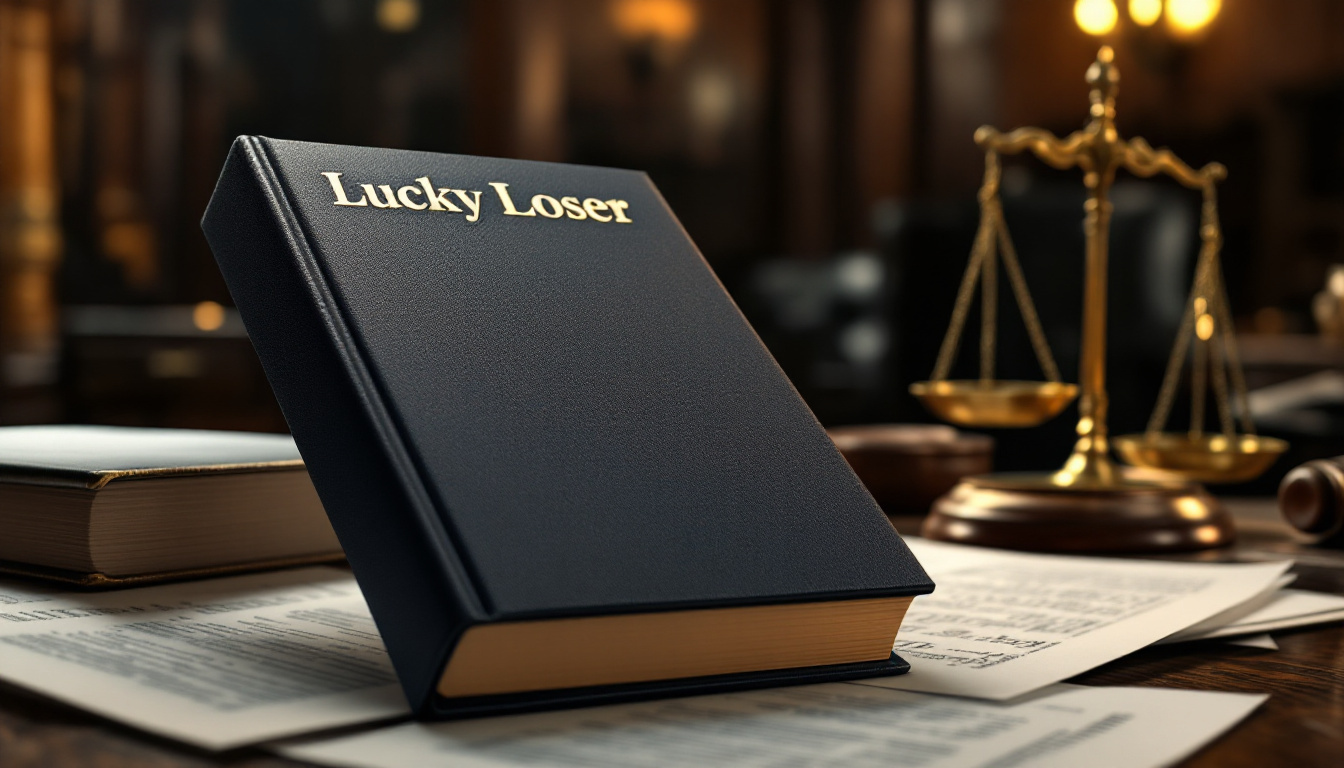
Fifteen billion dollars. That's the number sitting on the New York Times' desk after U.S. District Judge Steven Merryday ruled on November 19 that Donald Trump's defamation lawsuit against the paper can proceed to trial. The suit targets claims made in Lucky Loser, a 2024 book by Times reporters Russ Buettner and Susanne Craig that accused Trump of committing complex tax crimes.
A federal judge read those accusations and concluded the reporters may have made them up.
Judge Merryday, appointed by George H.W. Bush, found that Trump "plausibly alleged two reporters lacked adequate support" for assertions in the book suggesting he engaged in tax fraud. That's legal language for: you wrote it, you published it, and now you need to prove it in court. The ruling came out of Tampa, Florida federal court, and it sends the case into discovery — the phase where the Times has to open its files and show its work.
Penguin Random House, the book's publisher, is named as a co-defendant. They printed the accusations. They marketed them. Now they get to defend them under oath.
Two related claims were dismissed. Articles co-authored by Buettner and Craig, along with a separate piece by Peter Baker, the Times' chief White House correspondent, didn't survive the motion. But the core of the suit — the book that generated the headlines, the interviews, and the accusations of criminal tax conduct — moves forward.
The Washington Examiner's Kaelan Deese reported on the ruling, and the distinction matters. Newspaper articles carry one kind of weight. A hardcover book sold as investigative journalism, promoted on every cable network, and positioned as the definitive account of Trump's finances — that carries another. The book was the product. The book is what's on trial.
The Times has spent years treating accusations against Trump as self-evidently true. Tax fraud. Russian collusion. Classified documents. The pattern is always the same: anonymous sources, dramatic framing, Pulitzer submissions. What's different now is that a judge has looked at one of those accusations and said the supporting evidence might not exist.
Discovery is where journalism gets uncomfortable. It's where reporters have to produce notes, emails, editorial conversations, fact-checking records — the entire paper trail behind the published claim. If Buettner and Craig had rock-solid sourcing for the tax crime allegations in Lucky Loser, this phase should be routine. If they don't, $15 billion starts looking less like a symbolic number and more like a verdict.
The Times will frame this as an attack on press freedom. They always do. But press freedom protects the right to publish. It doesn't protect the right to fabricate. The First Amendment is a shield for journalism, not a blanket immunity for accusations a federal judge found may lack "adequate support."
Every major newsroom in the country is watching this case now. Not because they're worried about Trump. Because they're worried about discovery.
Fifteen billion dollars. The Times charged $30 for the book.