
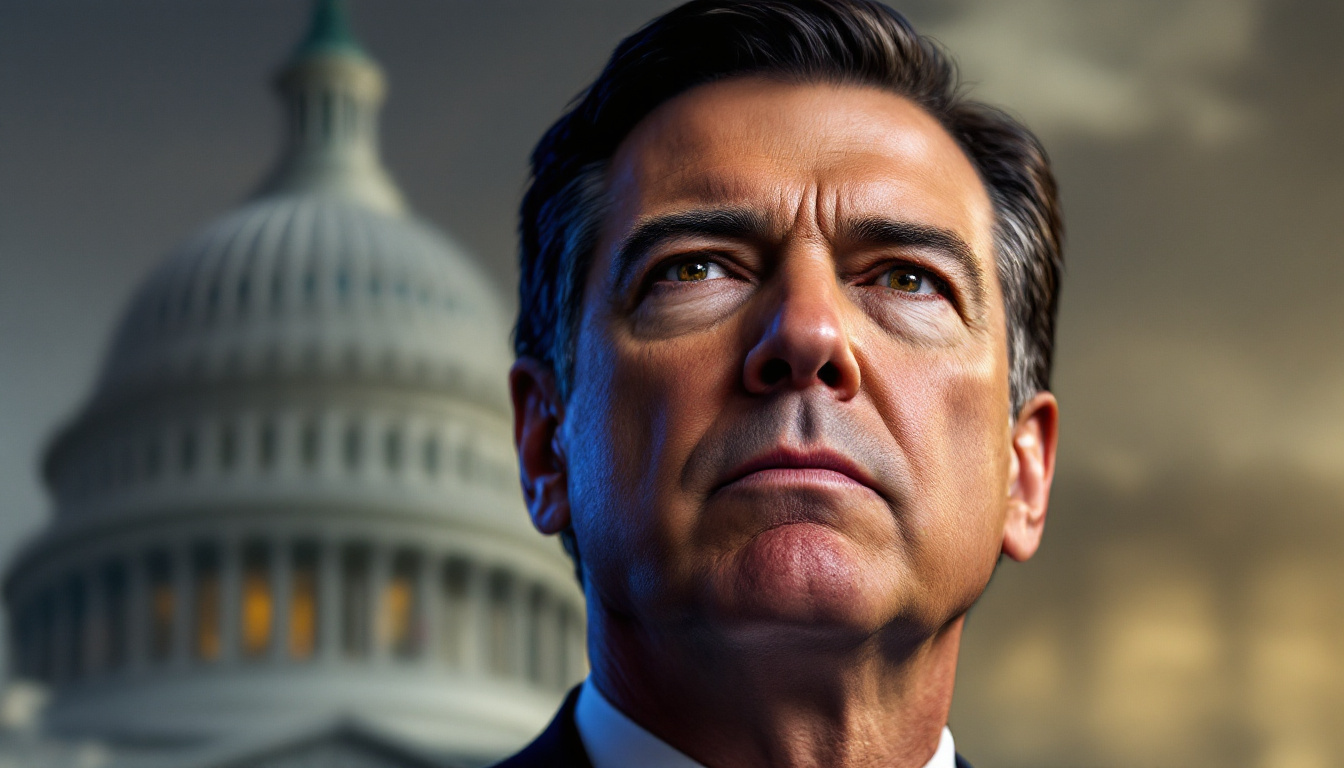
On October 5, 2016, according to prosecutors, former FBI Director James Comey directed a co-conspirator to hand classified national defense information to a media reporter. The man who ran the bureau that investigates espionage was allegedly running his own.
The Espionage Act is the same statute the FBI used to justify raiding Mar-a-Lago and rifling through Melania's underwear drawer.
The Department of Justice filed the new charges on October 26 in U.S. District Court in Washington, D.C., marking Comey's third separate federal criminal case. The indictment alleges conspiracy and unauthorized disclosure of national defense information.
This isn't a legal technicality or a process crime. The Espionage Act exists to punish people who compromise national security by funneling classified material to people who aren't supposed to have it. According to the DOJ, Comey didn't just possess information he shouldn't have — he actively directed its transmission to the press through intermediaries.
In September 2025, a federal grand jury charged Comey with making false statements and obstructing Congress — charges that were later dismissed. In April 2026, a separate indictment came down. Now, October 2026, a third case, and this one carries the heaviest statutory weight of all three.
Comey responded publicly the same day the charges dropped. That tracks. This is a man who has never once considered the possibility that silence might serve him better than a microphone. The same instinct that led him to leak memos through a friend to trigger a special counsel — his own words, under oath — is the instinct that keeps him talking when any competent defense attorney would be changing the WiFi password on his phone.
The defense will likely argue prosecutorial overreach — that Comey's disclosures were in the public interest, that the classification was questionable, that the timing is political. But the DOJ didn't charge an anonymous whistleblower. They charged the Director of the FBI, the man with the highest security clearance in the building, who allegedly used his position to orchestrate an unauthorized disclosure through co-conspirators. That's not whistleblowing. That's a pipeline.
Remember where we were in 2016. Comey was simultaneously running the Clinton email investigation — where mishandling classified material was deemed unworthy of prosecution — and allegedly directing classified leaks of his own. He stood at a podium in July 2016 and explained why no reasonable prosecutor would bring charges against Hillary Clinton for storing classified material on a private server. Three months later, per this indictment, he was directing national defense information to a reporter.
Then there was the seashell incident — Comey's social media post displaying shells arranged to read "86 47," widely interpreted as a threat against President Trump. That led to separate charges of threatening the president and transmitting threats in interstate commerce.
Three cases. Three separate alleged criminal acts. False statements to Congress, threatening the president, and now espionage. Prosecutor Lindsey Halligan is building a case file that reads less like a legal proceeding and more like a career retrospective.
Comey spent four years as the most powerful law enforcement official in the country. He wielded the FBI's authority to open investigations, authorize surveillance, and determine who faced prosecution. The institution he ran is now the institution bringing the charges.