
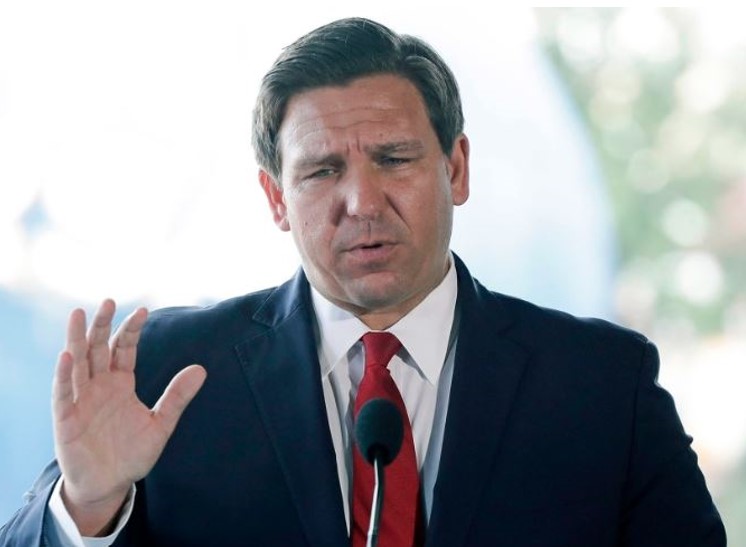
Governor Ron DeSantis signed new rules this week making Florida the first state in the country to explicitly ban Temporary Cash Assistance from being spent on tattoos, body piercings, vaping products, theme park tickets, video games, nicotine products, alcohol, pornography, psychic services, and fortune-telling.
First in the nation. No other state has done this.
The new restrictions apply to Florida's Temporary Cash Assistance program, which operates under the federal Temporary Assistance for Needy Families framework. DeSantis announced the rules on August 27, and they took effect immediately.
"Taxpayer-funded assistance should help families put food on the table, keep the lights on, purchase clothing, provide for their children and overcome barriers on the path toward independence," DeSantis said.
The federal Department of Health and Human Services Administration for Children and Families praised the move, calling the new rules "common sense restrictions" on "inappropriate, luxury, and non-essential purchases." When the federal bureaucracy enthusiastically signs off on a state's welfare reform, it tells you the case was airtight.
Florida had already built a strong foundation here. The state had previously banned welfare cash at adult entertainment businesses, casinos, and commercial bingo establishments, and restricted SNAP benefits from covering sodas, energy drinks, and candy. DeSantis extended that principle to its logical conclusion — the most comprehensive itemized restrictions on welfare cash spending any state has enacted.
Rep. Byron Donalds, Republican representing Florida's 19th congressional district, backed the move as part of a broader push to ensure welfare programs function as a bridge to independence, not a permanent arrangement.
The money still works at the grocery store, the gas station, the utility company, and the clothing rack. What these rules do is make sure Temporary Cash Assistance is used for exactly what it says on the label: temporary assistance.
Florida is measuring welfare success differently than Washington has for decades. Washington defines it by enrollment numbers — how many people receive benefits, and for how long. Florida defines it by the exit rate: how many people stop needing them. Those two metrics lead to completely different policies, and only one of them requires you to actually care what the money is being spent on.
Forty-nine other states haven't done this yet. Florida didn't wait for them.