
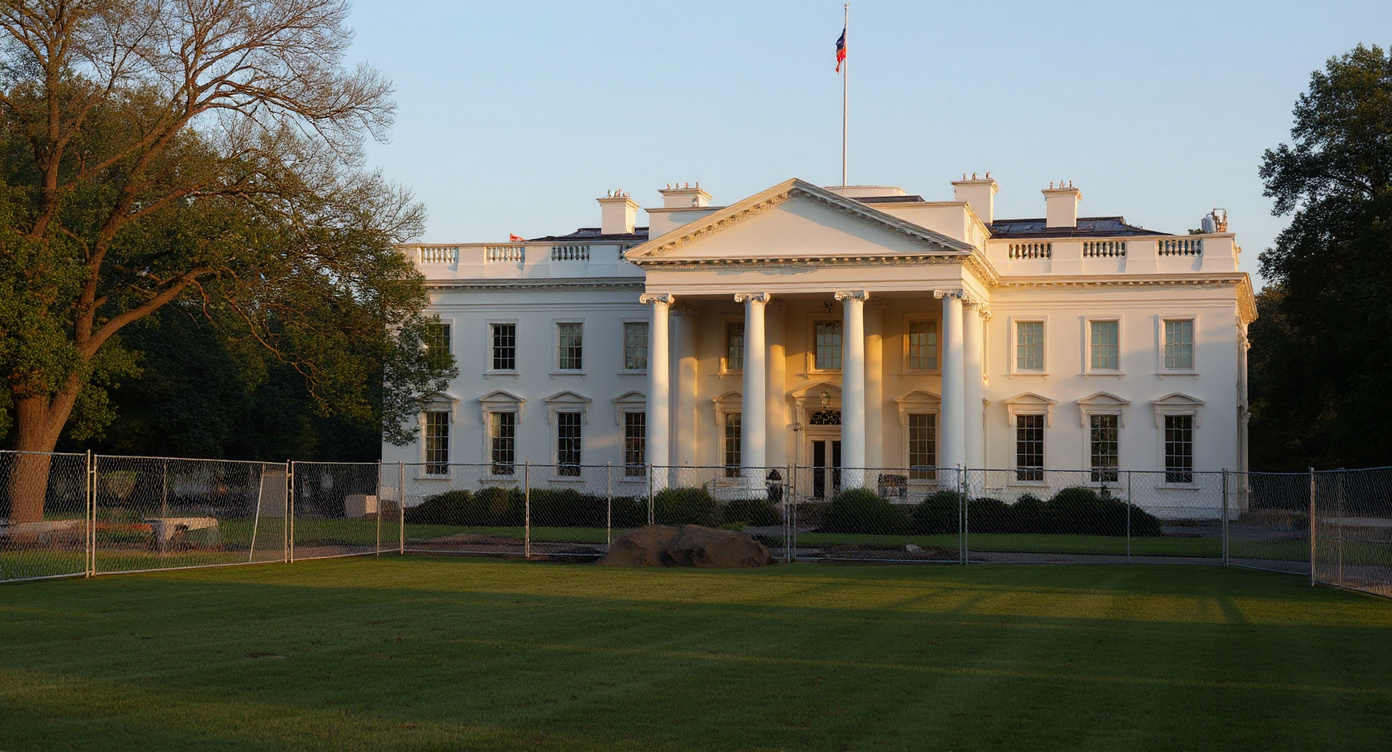
A three-judge panel on the D.C. Circuit Court of Appeals just ruled 2-1 that President Trump must halt construction of a ballroom at the White House — a project the military and Secret Service have called a national security necessity following the attempted assassination at the White House Correspondents Association dinner.
Two judges decided they know more about protecting the president than the Secret Service does.
The lawsuit was brought by the National Trust for Historic Preservation in the United States, which apparently believes the aesthetic integrity of the White House grounds outweighs the physical safety of the commander-in-chief. The D.C. Circuit sided with them, ordering construction stopped, though the decision has been stayed and does not take immediate effect.
Trump's response was swift and unambiguous. "The decision has been stayed, and does not take effect for a period of time. We will be immediately appealing to the United States Supreme Court," he said.
He didn't mince words about the ruling itself either: "This unjust decision must be overturned by the Supreme Court in its entirety."
The backdrop here matters. After an assassination attempt at the White House Correspondents Association dinner — an event that should have permanently changed the conversation about presidential security — the military and Secret Service assessed the existing infrastructure and determined that a new ballroom facility was a necessary protective measure.
Preservation groups will frame this as Trump bulldozing history. Which is an interesting position to take when the alternative is leaving the president of the United States in a facility that the Secret Service has determined is inadequate for his protection. You'd think "we'd like to not have the president assassinated" would clear the legal bar, but apparently the D.C. Circuit needed a closer look.
The 2-1 split tells you something. Even on this panel, the decision wasn't unanimous. One judge looked at the same facts — assassination attempt, Secret Service recommendation, military assessment — and concluded that maybe the executive branch gets to make security decisions about the executive residence.
This is the same D.C. Circuit that has served as the judicial speed bump of choice for anyone wanting to slow-walk executive action. The court didn't say the ballroom was unnecessary. It didn't present its own security assessment. It simply said stop building.
The Supreme Court appeal will force a straightforward question: does a preservation statute override the Secret Service's determination that the president's life is at risk without upgraded facilities? The administration will argue that no federal court has the authority to second-guess a national security decision made by the agencies specifically tasked with presidential protection. The other side will argue about architectural heritage.
One side is talking about blueprints. The other side is talking about bullets.