
Alaska Ballot Measure 3 asked voters one question: should only U.S. citizens be allowed to vote in Alaska's elections?
On Tuesday, 142,616 Alaskans said yes, which is 69.64%. Only 62,175 said no, and the measure passed by almost 40 points.
The measure rewrites one line of state law. The old law said a citizen "may" vote. The new law says "only a person who is a citizen of the United States" may vote, in any election.
The press is already calling it meaningless. The Alaska Beacon's headline called it a "largely meaningless noncitizen voting ballot measure." Their argument is that noncitizens couldn't vote in Alaska anyway.
Washington, D.C. shows why that argument fails.
Since February 2023, noncitizens in the nation's capital have been allowed to vote in local elections for mayor, city council and attorney general. Their immigration status doesn't matter, so illegal immigrants qualify too. They only have to be 18 and have lived in the city for 30 days.
Vermont went the same way. In 2023, the Vermont Supreme Court ruled that the state constitution's voter qualifications cover statewide elections, not city ones. That opened the door for Montpelier to let noncitizens vote in its local elections. Winooski did the same. In May of this year, the court upheld noncitizen voting in Burlington's school elections.
Each of those places found room in wording that everyone assumed was settled. Former Alaska House Speaker Mike Chenault, one of the measure's sponsors, says about two dozen cities and jurisdictions around the country now allow some form of noncitizen voting.
Alaska closed that door before anyone could open it. Chenault called the measure "common sense."
Chenault ran the campaign with former Senate Majority Leader John Coghill and former state Senator Josh Revak, under the name Alaskans for Citizen Voting. No organized opposition ever formed against them.
"Alaskans have spoken clearly," Coghill said after the results came in. "The passage of Ballot Measure 3 affirms the importance of citizenship as a fundamental qualification for voting in our elections."
Alaska wasn't alone on Tuesday. Voters in Kansas and West Virginia approved constitutional amendments limiting voting to citizens, and Ballotpedia counts five of six citizen-voting measures passing nationwide. In 2024, all eight states with a citizens-only amendment on the ballot passed one.
The margin matters in a state like Alaska. Alaskans don't take orders from either party. Independents swing elections there, and the state has a stubborn libertarian streak that resists government rules on principle. Seven in ten of those voters wanted this rule written down.
Back in Washington, Alaska's own senator went the other way.
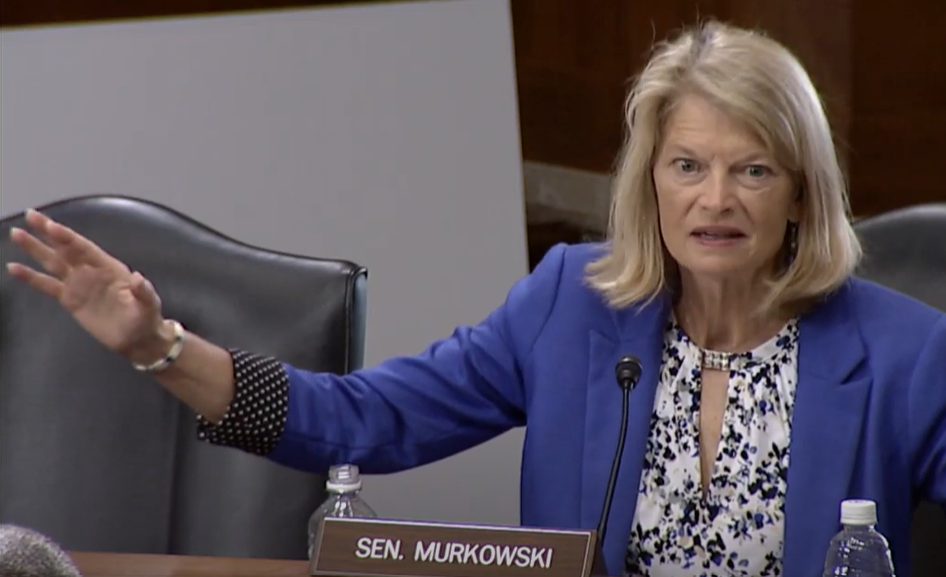
The SAVE America Act would require proof of citizenship to register for federal elections and photo ID to vote. Senator Lisa Murkowski (R-AK) opposed it, saying it would be too burdensome for Alaska, and she was one of a handful of Republicans who voted against moving it forward.
Her own constituents just answered her by almost 40 points.
Murkowski voted against the SAVE Act in Washington, and back home 142,616 Alaskans voted the other way.
When Democrats take over Congress in January, the SAVE Act won't get another vote. The fight over who votes now moves to the states, and the states keep winning it at the ballot box.
Alaska's new law will take effect once the results are certified. After that, only citizens can vote in any Alaska election, whatever Alaska's senior senator thinks about it.