
The unemployment rate among Americans aged 22 to 34 without college degrees just hit one of its lowest points in 23 years. Not since 2003 have non-degree holders been this employed, this in-demand, and this impossible for economists to ignore.
The people the credentialed class spent a decade writing off are currently outperforming them.
Friday's August jobs report landed like a brick on the forecast models. The U.S. economy added 162,000 jobs — against an expected 55,000. The unemployment rate held at 4.1%, beating the 4.2% economists had penciled in.
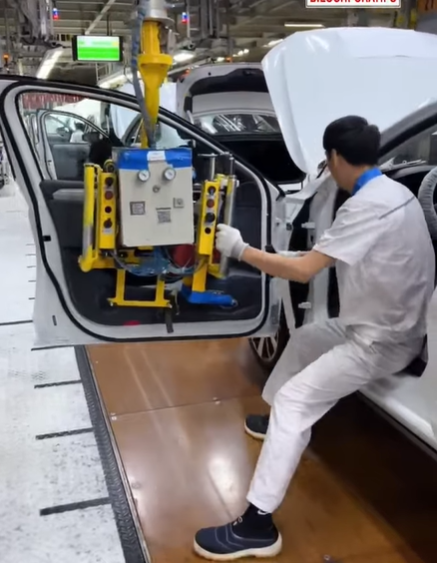
The sector breakdown tells the real story. Manufacturing payrolls rose by 16,000, tripling the 5,000 estimate. Construction added 22,000. Leisure and hospitality tacked on 62,000. These aren't desk jobs requiring a four-year degree and a $90,000 student loan balance. These are the trades, the service economy, the backbone work that actually keeps a country running.
The prior month's gain was also revised upward — from 30,000 to 71,000. Meaning the economy was even stronger than we thought it was in July, and nobody noticed until now.
The Wall Street Journal, not exactly a MAGA newsletter, ran its own analysis of the data. Their conclusion: "just as job hunters without degrees are having one of their best runs, those with college educations are having one of their worst." Research from the Burning Glass Institute confirmed the trend. The Journal also pointed to a structural driver: "There aren't enough skilled tradespeople to go around, for example, as older generations retire and immigration drops."
That last part is worth sitting with. Restricting the labor supply — the thing every credentialed economist warned would crash the economy — is actually driving wages and opportunity upward for the exact workers who needed it most. Tighter borders, fewer visa workers undercutting domestic labor, and suddenly the plumber in Phoenix has leverage his father never did.
The "experts" who spent years insisting that mass immigration was an unqualified economic good are watching their thesis collapse in real time. Their models assumed an infinite supply of cheap labor was a feature. Turns out it was a subsidy — for employers, not workers.
President Trump built his 2024 campaign on exactly this promise: an economy that rewards people who work with their hands, not just people who collect credentials. The September jobs data is the receipt.
Every cycle, Democrats campaign on being the party of the working class. They talk about dignity of labor at union halls, then fly home to districts where the only growth industry is government. The working class they claim to champion just posted a 23-year high — under a Republican president whose economic policies they called reckless.
When the trades are booming, manufacturing is hiring, and the guy without a diploma is employed at rates not seen since 2003, the "you need college to succeed" narrative isn't just outdated.
It's a recruitment brochure for a product that's losing market share.