
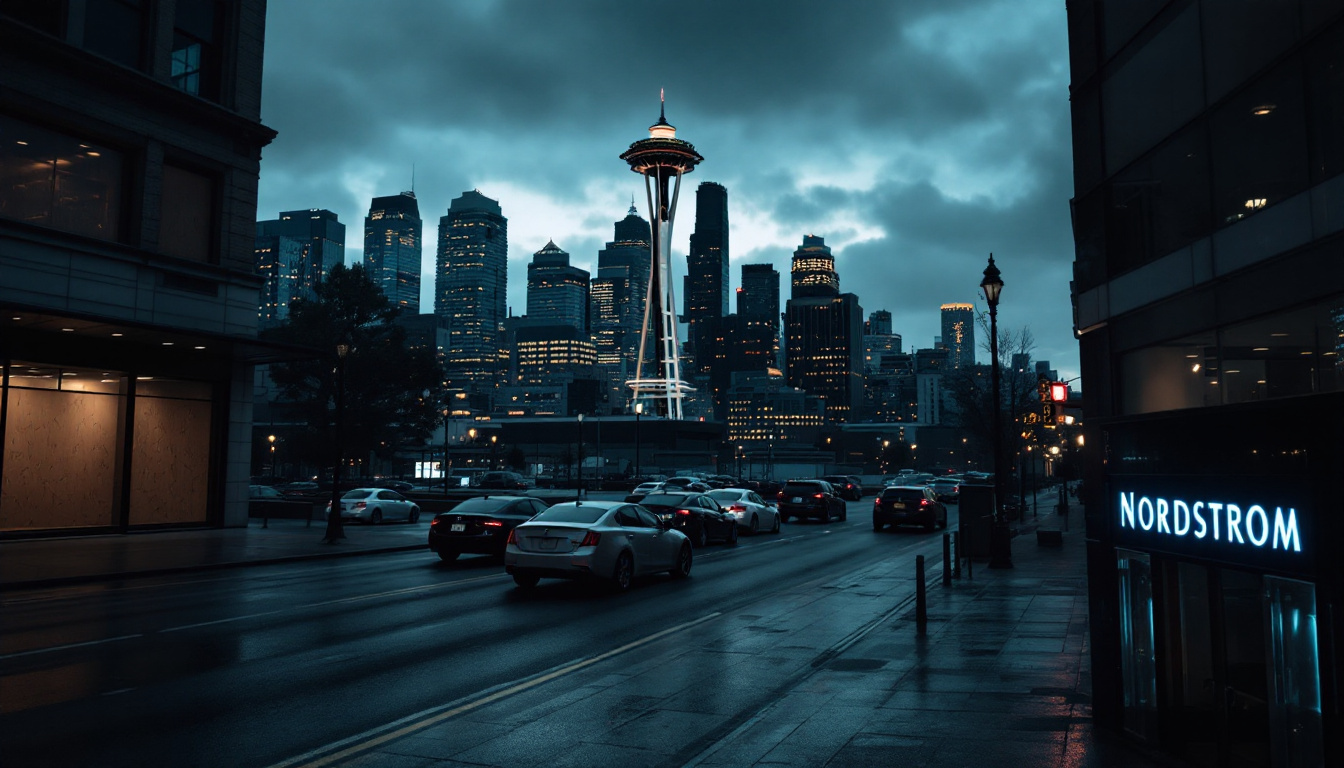
Nordstrom's flagship store in downtown Seattle called 911 repeatedly over the past year. Officers showed up just 29 percent of the time.
On September 10, more than thirty of the biggest companies in the Pacific Northwest — Microsoft, Costco, Starbucks, Nordstrom, Alaska Air Group, T-Mobile, Zillow, and the Seattle Mariners among them — signed an open letter to socialist Mayor Katie Wilson demanding a "100-day public safety action plan." The letter didn't mince around the edges. They want open-air drug markets shut down, more police hired, disabled CCTV cameras reactivated, homeless encampments banned from public parks, and a recommitment to seven-minute 911 response times.
They also want the city to kill its "Law Enforcement Assisted Diversion" program — LEAD — which diverts drug sellers and prostitutes away from prosecution and into "case management and other supportive services." The program effectively tells low-level criminals that Seattle has opted out of consequences. AMAC Newsline reported that the city's policy restricts enforcement of low-level misdemeanors entirely, which means the cops who do show up often can't do anything anyway.
The specifics are grim. A man was stabbed near Pioneer Square this week. The suspect is still at large. A deadly shooting at a July food festival saw delayed police response because Police Chief Shon Barnes — who lived in Chicago and commuted to Seattle for the job — was attending a conference. Barnes is gone now. Interim Police Chief Andre Sayles inherited the mess and has referred to active shooters with the clinical term "trigger pullers," which tells you roughly how seriously the bureaucratic class is treating gunfire in the streets.
Aurora Avenue, long known as a prostitution corridor with a disturbing number of underage sex workers, has seen a surge in gun violence. The downtown core vacancy rate sits at 35 percent. More than a third of the commercial real estate in the center of a major American city is empty, and the mayor's answer has been to disable CCTV cameras — reportedly to prevent the Trump administration from using the footage to track illegal aliens.
Read that math again. Wilson chose to blind her own city's surveillance network to obstruct federal immigration enforcement. Then violent crime spiked. Then businesses demanded she turn the cameras back on.
City Council President Joy Hollingsworth put it plainly: "There have been too many people in this city that have workshopped their public safety dissertations." Police union leader Kent Loux was more direct: "We need to be business friendly... enforce low-level misdemeanor crime so businesses can flourish."
Wilson's response to the corporate revolt was a safety plan heavy on progressive vocabulary — "gun violence," "community violence intervention" — and light on anything resembling enforcement. Funding for nonprofits. Youth mental health services. The same playbook that produced the 35 percent vacancy rate and the 29 percent response rate.
Polling tells the rest of the story. Wilson's approval rating has cratered to 37 percent. Only 34 percent of residents believe City Hall has an effective crime plan. Meanwhile, the business coalition's recommendations enjoy 75 percent bipartisan support — meaning even the city's progressive voters want cops to show up when someone calls 911.
There's a specific kind of political failure happening here, and it's worth naming. Wilson didn't inherit a crisis. She built one. She disabled cameras. She kept a commuter police chief. She funded diversion programs that diverted accountability. Every policy choice pointed in the same direction: away from enforcement, away from visibility, away from the basic municipal promise that if you open a business in this city, someone will answer when you call for help.
Microsoft, Costco, and Starbucks are headquartered in the Seattle metro area. They didn't write that letter from New York. They wrote it from home. When the companies that built your tax base are publicly begging you for a plan — any plan — the approval rating isn't the problem anymore.
The 29 percent is.