
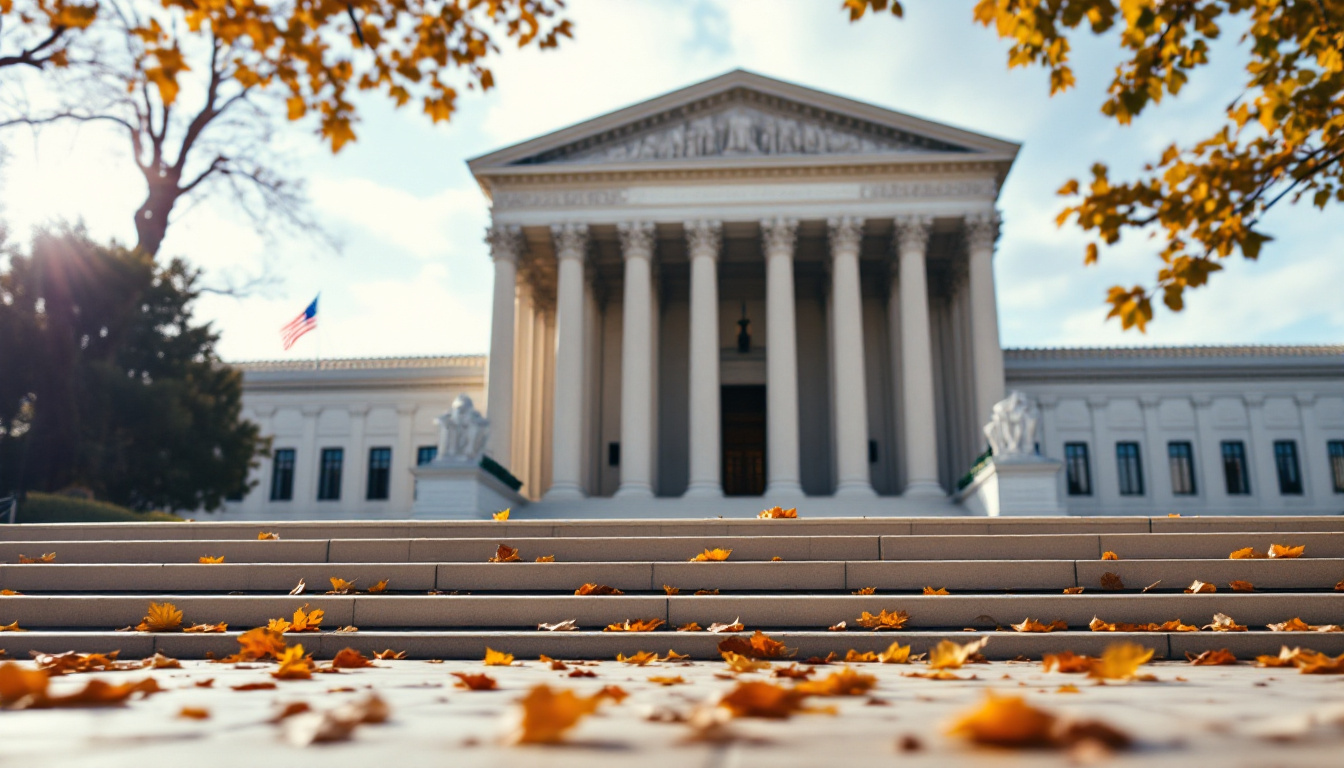
Eight justices. One dissent. That was the final count when the Supreme Court ruled on October 22 that New Hampshire can keep enforcing House Bill 323, which excludes student identification cards from the list of acceptable voter ID at the polls. The midterms are November 3.
Justice Ketanji Brown Jackson was the lone holdout.
HB 323, which took effect on June 2, narrowed the forms of identification New Hampshire will accept at polling places to a driver's license from any state, a U.S. passport, a military ID, or a New Hampshire non-driver ID. High school and college student IDs didn't make the cut. The challenge, Scanlan v. Coalition for Open Democracy — case number 26A512 — landed at the Supreme Court after U.S. District Judge Joseph Laplante issued a lower court order blocking state guidance that prevented poll workers from considering student IDs as supplementary evidence of identity.
The 8-1 ruling reversed that block. New Hampshire's voter ID guidance stands as written, twelve days before voters head to the polls.
Jackson's dissent argued that the lower court had not actually changed New Hampshire law and pushed for correcting what she called public statements and guidance that could mislead voters. The other eight justices disagreed. The law says what it says, and students who want to vote in New Hampshire need identification that proves they belong there — not a laminated card from a registrar's office.
The Coalition for Open Democracy framed this as disenfranchisement. The argument assumes that requiring a real ID — the same kind every adult needs to board a plane, buy cold medicine, or pick up a FedEx package — is an unreasonable burden when applied to college students. A driver's license from any state qualifies. A passport qualifies. The only thing that doesn't qualify is the one form of ID that proves nothing about residency, issued by institutions with no obligation to verify a student's home address.
New Hampshire has dealt with this tension for years. Out-of-state students enroll at Dartmouth or UNH, register to vote at their campus address, and cast ballots in a state where they don't pay taxes, don't own property, and will leave in four years. HB 323 didn't invent that concern. It addressed it.
The timing matters. An 8-1 ruling twelve days before a midterm election means the rules are settled. No last-minute injunction. No emergency stay changing the game after early voting has started. Poll workers in New Hampshire know exactly what to accept and what to turn away.
The midterms are November 3. New Hampshire's rules are not changing before then.