
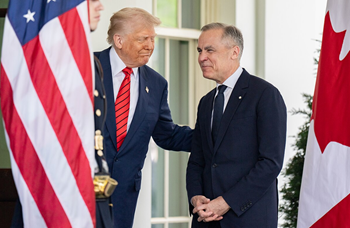
Section 338 of the Trade Act of 1930. That's the law President Trump just used to slap 50% tariffs on most Canadian goods entering the United States. A statute from the Great Depression era that most trade lawyers forgot existed — until it landed on Ottawa's desk like a freight train.
Canada has 30 days before the tariffs take effect. Tick tock.
The move, announced on July 20, specifically targets what the White House called "discriminatory treatment" of American exports. Canada has been quietly taxing U.S. motor vehicles at 25% since April 2025 while also blocking American alcohol and cheese from competing fairly in Canadian markets. The USMCA — the trade deal Trump himself negotiated back in 2020 — was supposed to prevent exactly this kind of lopsided arrangement. Canada decided the rules were more like suggestions.
Scott Lincicome, Vice President of General Economics at the Cato Institute, put the legal significance in perspective. "We crossed the Rubicon," he told Newsmax. "The invocation of 338 is the nuclear option for Trump tariffs." That's the Cato Institute — not exactly a cheerleading squad for protectionist trade policy — calling this unprecedented. When the free-trade libertarians are calling your tariff move the nuclear option, you've gotten someone's attention.
Ontario Premier Doug Ford tried to put on a brave face. "If these tariffs proceed, Canada should respond tariff for tariff, dollar for dollar," Ford said. That sounds tough on paper. But Canada's entire economy depends on access to American consumers in a way that doesn't work in reverse. We buy their lumber, their oil, their auto parts. They buy our... well, they don't, actually. That's the whole problem.
Canadian Prime Minister Mark Carney now finds himself in a position no Canadian leader wants to be in — staring down a trade war with a president who has made it abundantly clear he's willing to escalate. Trump has previously said "Canada lives because of the United States," and whether Ottawa likes the phrasing or not, the trade numbers don't exactly contradict him.
Canada was one of the only two nations that retaliated against Trump's previous tariffs -- China was the other.
The USMCA is up for potential renegotiation by 2036, but Trump clearly isn't waiting around for a decade of polite diplomatic conversations. Section 338 gives the president authority to impose tariffs when a foreign country discriminates against American commerce — and Canada's 25% auto tariff, combined with its barriers on alcohol and cheese, gave Trump exactly the ammunition the statute requires.
The usual chorus of free-trade purists will argue this hurts American consumers. And some prices may tick up. But the argument that we should keep absorbing unfair trade practices because groceries might cost a nickel more has been losing elections for twenty years. Voters chose the guy who said he'd fight back.
Canada can match tariffs dollar for dollar, as Ford promised. Or they can drop the barriers that triggered this in the first place.
One of those options costs them a lot more than the other.