
In March 2022, the Federal Election Commission fined Hillary Clinton's 2016 campaign and the Democratic National Committee for how they had paid for the Steele dossier. The money went to the opposition research firm Fusion GPS by way of the Clinton campaign's law firm, Perkins Coie. In the books, it was listed as "legal services."
The DNC paid $105,000. The Clinton campaign paid $8,000.
That same month, Donald Trump sued Clinton and the people he says built the Russia hoax. A federal judge threw out the case and ordered Trump and his lawyer to pay $937,989.39 for bringing it.
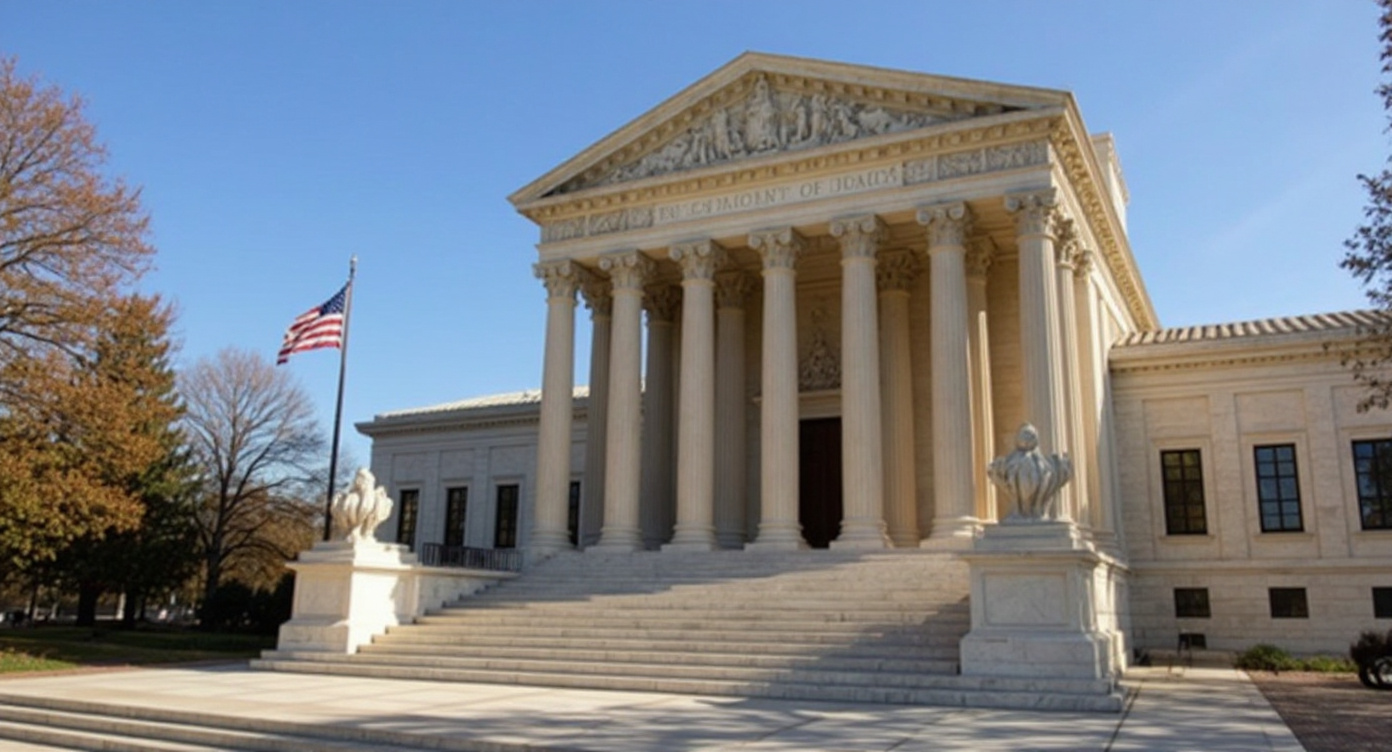
On Friday, Trump asked the Supreme Court to bring the case back.
The lawsuit, filed in federal court in Florida, accuses Clinton of leading "a coordinated scheme … to undermine his candidacy and Presidency through fabricated accusations of Russian collusion." It names more than two dozen defendants, including:
Hillary Clinton, her campaign and the DNC Former FBI Director James Comey, his deputy Andrew McCabe, and FBI officials Peter Strzok and Lisa Page FBI lawyer Kevin Clinesmith Christopher Steele, the former British spy who wrote the dossier Fusion GPS, Perkins Coie, and Clinton campaign lawyers Marc Elias and Michael Sussmann Campaign chairman John Podesta, campaign manager Robby Mook and adviser Jake Sullivan Igor Danchenko, the dossier's main source It sought more than $24 million in damages. Under the federal racketeering law, damages are tripled, which would bring that to more than $70 million.
Several of those names are familiar from what came later. In 2020, Clinesmith pleaded guilty to altering an email the FBI used to keep spying on Trump campaign adviser Carter Page. In 2023, Special Counsel John Durham concluded that the FBI opened its Trump-Russia investigation on "raw, unanalyzed, and uncorroborated intelligence," and that the bureau lacked any actual evidence of collusion when it began. Robert Mueller's two-year investigation "did not establish that members of the Trump Campaign conspired or coordinated with the Russian government."
The case never got as far as those facts.
U.S. District Judge Donald Middlebrooks, a Bill Clinton appointee, dismissed it in September 2022. He called Trump's complaint "a two-hundred-page political manifesto outlining his grievances against those that have opposed him." He ruled that the claims were filed too late. He called Trump "a prolific and sophisticated litigant who is repeatedly using the courts to seek revenge on political adversaries."
Then he sent the bill. In January 2023, Middlebrooks ordered Trump and attorney Alina Habba to pay the defendants' legal fees, $937,989.39 in total.
In November 2025, a three-judge panel of the 11th Circuit Court of Appeals in Atlanta upheld the dismissal and the sanctions. It called the claims "untimely and otherwise meritless." The full court declined to rehear the case in May. Justice Clarence Thomas, who oversees the 11th Circuit, gave Trump's lawyers two extensions, and they filed with a day to spare.
The petition asks the justices two questions.
The first is about the clock. Racketeering claims must be filed within four years, and the alleged scheme played out in 2016 and 2017. Trump spent those years in the Oval Office, being investigated over the very accusations at issue. His lawyers argue the deadline should have been paused while he served, given a president's "unique role and responsibilities."
The second is about the fine: whether a court can sanction a president and his lawyers nearly $1 million for making what the petition calls a "substantial, unresolved argument." No court had ever ruled on whether a sitting president's time limit to sue should be paused, so Trump's lawyers say raising the question couldn't have been frivolous.
The lower courts decided both questions without ever addressing whether the scheme happened. They said the clock had run out, and then they made Trump pay the other side's lawyers for asking.
Clinton and the other defendants have 30 days to respond and can ask for more time. The Court is expected to decide this winter whether to take the case. If the justices rule for Trump on the deadline, the case would go back to Florida, and the people who spent years calling Trump a Russian asset could finally have to defend that claim in a courtroom.
The Clinton campaign paid an $8,000 fine for disguising who paid for the dossier. Trump was ordered to pay $937,989.39 for suing over it.